



Call (703) 880-8412Latest updatesClient portalContact us

AI startups · San Francisco

San Francisco business taxes for AI startups: Prop M changed the math.

San Francisco rewrote its business taxes for 2025. Small AI startups may now owe less; fast-growing ones with customers in the city, wherever their office is, may owe more.

San Francisco business taxes

What Proposition M changed starting in 2025

  • Small business exemptionRaised from $2.25 million to $5 million of San Francisco gross receipts for the Gross Receipts Tax and Overpaid Executive Tax.
  • Homelessness Gross Receipts TaxNow applies above $25 million of San Francisco gross receipts (previously $50 million).
  • Simpler categories, more weight on salesBusiness activity categories cut from 14 to 7, with apportionment shifted toward where customers are. Scheduled rate increases begin in 2027 and 2028.
  • Overpaid Executive TaxLower rates, and an exemption for businesses with 1,000 or fewer US employees and $1 billion or less of gross receipts.
AI Startup Tax Checklist12 yes/no questions. See your red flags in two minutes.
Take the checklist

San Francisco business taxes

You can owe San Francisco tax without an office there

San Francisco applies an economic presence standard of $500,000 of San Francisco gross receipts. With apportionment weighted toward sales, an AI company in Palo Alto, Austin or Bengaluru with San Francisco customers can have a filing obligation.

San Francisco business taxes

Registration and filing

Businesses operating in the city renew their business registration each year and file the annual business tax return by the last day of February. Prop M added an extension to November 30 if at least 110% of the prior-year-based tax is paid on time.

Latest updates

AI and startup tax news

All AI & startup updates
Nov 17, 2026AI & startups

Tax Court allows R&D credit only for proprietary projects (Intermountain Electronics)

In T.C. Memo. 2026-118 the Tax Court allowed research credits for two proprietary product projects but denied all ten customer projects: one as funded research because the customer owned the IP, the rest for routine engineering and missing time records. AI startups doing paid pilots or custom builds should check contract IP terms and keep project-level time records.

Source: Intermountain Electronics, Inc. v. Commissioner, T.C. Memo. 2026-118
Our guidance
Nov 12, 2026AI & startups

Form 6765 Section G is required for most R&D credit claims starting with 2026 returns

Most research credit claimants must now list business components covering 80% of qualified research expenses (up to 50) and split wages by role. Qualified small businesses taking the payroll election, and filers with $1.5 million or less of QREs and $50 million or less of gross receipts, are exempt. Set up project tracking now for 2026 claims.

Source: IRS Form 6765 instructions, via CPA Practice Advisor

Our guidance
Nov 2, 2026AI & startups

California OTA: research credit can reduce corporate AMT (Medivation)

In Appeal of Medivation, Inc., 2026-OTA-532P, the Office of Tax Appeals refused to overrule NASSCO and held the California research credit can offset corporate alternative minimum tax, even though the FTB 3523 instructions say it cannot. California corporations that paid AMT while holding research credits should review refund claims.

Source: California Office of Tax Appeals, via BDO

Our guidance

Questions

Frequently asked

Do small AI startups pay the San Francisco gross receipts tax?

Most businesses with $5 million or less of San Francisco gross receipts are exempt from the Gross Receipts Tax and Overpaid Executive Tax starting with 2025, but still register.

We have no San Francisco office. Can we still owe?

Yes, if San Francisco gross receipts exceed the $500,000 economic presence threshold. Prop M's sales weighting makes this more likely for software and AI sellers.

When is the San Francisco annual business tax return due?

By the last day of February, with an extension to November 30 if enough tax is paid by the original due date.

General information prepared by VG CPA PC as of November 25, 2026, not tax or legal advice for your company. Rules change; confirm current guidance before acting.

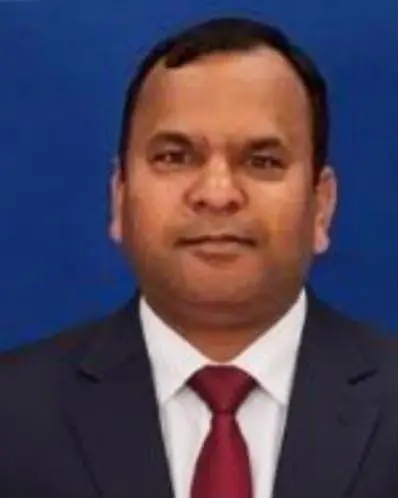
Vikas Garg, CPA

Reviewed by Vikas Garg, CPA, founder and CEO of VG CPA PC: more than 30 years in public accounting, tax and IRS representation; Big 5 trained; completed Executive Education in Mergers and Acquisitions at Harvard Business School; former weekly tax segment host on FOX 5 DC. Meet our team.

Start a conversation

Building an AI company?

Tell us your stage and where your team works. A senior advisor will reply within one business day.

CallContact us
Text us